Wake Window
Layer light exposure, hydration, and an analog jot-down so attention ramps gradually rather than snapping online first.
Comfortable rhythm planning
Small, consistent habits can help create balance, stability, and better daily well-being through paced mornings, intentional pauses, and evenings that signal calm closure.
Orientation map
Rhythm anchors are repeatable cues—a mug refill, a ten-minute tidy, a sunlight walk—that signal what comes next without rushing your nervous system.
Layer light exposure, hydration, and an analog jot-down so attention ramps gradually rather than snapping online first.
Swap doom scrolling for tactile resets: stairs, stretches, or five quiet breaths timed with the kettle—whatever fits your workspace reality.
Dim screens earlier than feels heroic and queue softer chores so bedtime arrives like a hallway, not a cliff edge.
Momentum without overwhelm
Pair tiny behaviors with triggers you already perform—coffee brewing, inbox closes, locking the door—to reduce friction when motivation dips.

Quiet cues invite repetition without noisy dashboards.
Anchor each ritual with one sensory anchor—sound, scent, or texture—and note completion with a calm tally rather than streak pressure.
Rotate experiments weekly so curiosity replaces guilt when schedules flex around caregiving, commute spikes, or seasonal daylight shifts common across Ontario corridors.
Weekly pacing board
Sketch four lanes—mind, movement, connection, upkeep—and slide modest intentions across weekdays without pretending Saturday solves everything.
Reserve ninety minutes total across admin bursts plus one restorative block before dusk traffic peaks.
Audit capacity honestly; recycle unfinished tasks instead of stacking guilt markers.
Capture loose threads on paper so minds coast toward slower sensory rituals.
Attention budgeting
Plot peaks honestly—meetings, caregiving, creative bursts—and slide replenishment beside them rather than chasing mythical optimization graphs.
Aim for rhythmic replenishment blocks shorter than heroic detox weekends—steady beats outperform binge relaxation after long Ontario winters.
Micro replenishment keeps rhythm softer than sporadic resets alone.
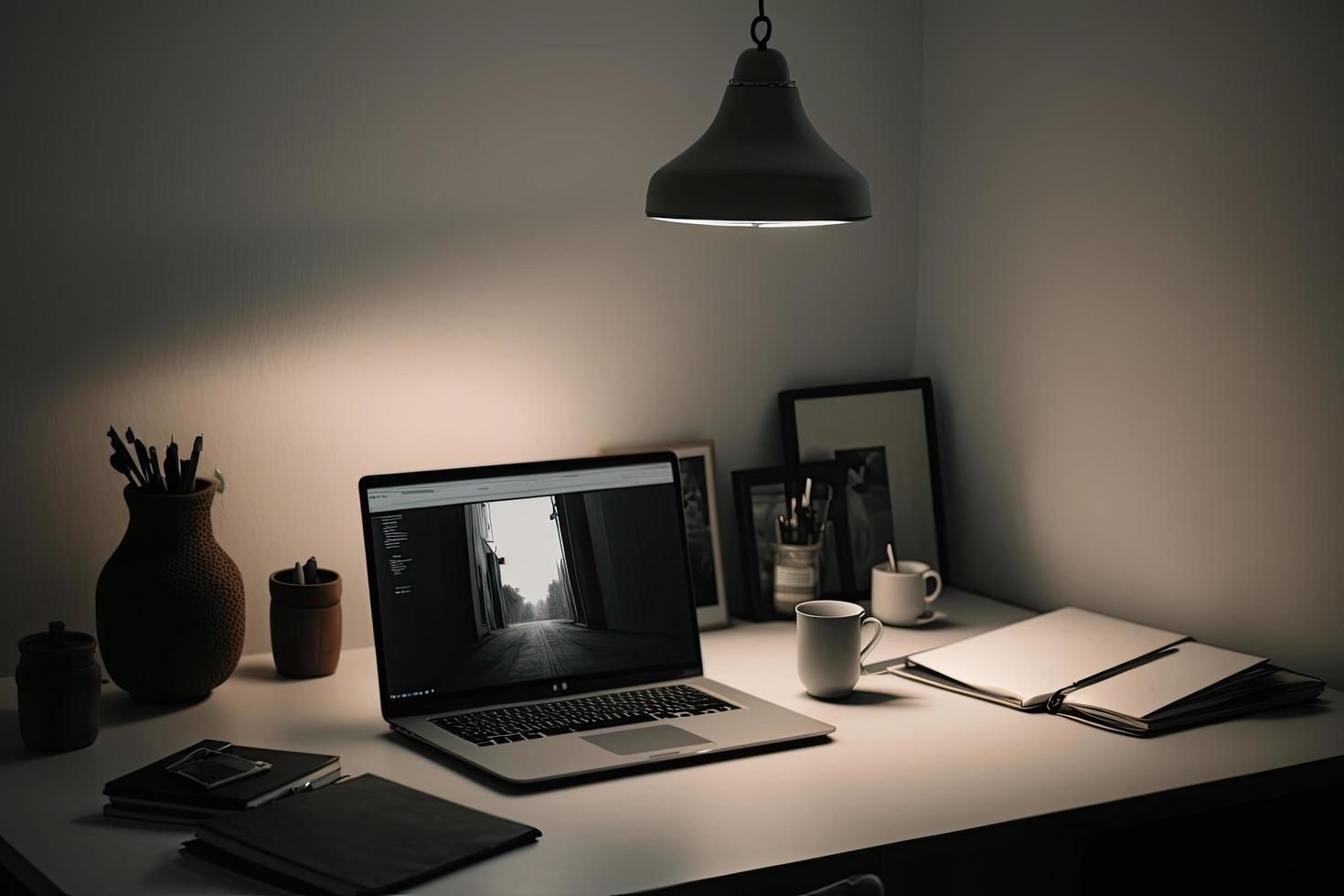
Walkthrough libraries
Structured sequences explore pacing friction points—digital clutter, irregular meals, overstuffed evenings—with pragmatic swaps sized for modest apartments or hybrid desks.
Timers paired with tactile endings reduce cognitive residue between meetings.
Open GuidesTransition playlists communicate closure better than abrupt shutdown commands.
Review Sleep Corridor TipsToolkit shelves
Download-friendly snippets capture bilingual-friendly phrasing so bilingual households across Canada can reuse cues without awkward translations mid-week.

Neighborhood loops punctuate indoor digital sessions—bundle errands with mindful pacing rather than marathon weekends alone.
Browse ResourcesCommunity reflections
These notes describe personal planning preferences and routine organization experiences. They are not performance claims or guaranteed outcomes.
"I use the morning cue card beside my kettle so my day starts in a calmer order."
"The weekly lane layout helps me separate work tasks from home tasks without overloading one evening."
"I keep the prompts on my fridge and use them as reminders when my schedule changes."
Straightforward answers
Adjust sunrise-aligned cues gradually across two-week arcs so indoor lighting shifts sync with daylight savings swings common throughout Ontario neighborhoods.
Swap intensity for fidelity—five-minute resets preserve continuity better than heroic resets promised by overstuffed weekend lists alone.
Rhythm planning complements thoughtful conversations with trusted specialists yet never substitutes individualized guidance when needed.
Mindful transparency
The information provided on this website is intended for general informational and educational purposes only. It does not constitute professional medical advice and should not be considered a substitute for consultation with qualified professionals.
All content reflects general topics related to lifestyle, personal well-being, and everyday habits. Individual experiences may vary.
Before making any changes to your daily routine or lifestyle, it is recommended to consider your personal circumstances and, if necessary, seek assistance from a qualified specialist.
This website does not provide diagnosis, treatment, or personalized recommendations.
Reach Contact Desk